When something’s wrong with your pet, it’s hard to think clearly. You might notice limping, a strange cough, or odd behavior like hiding or not eating.
As a 24/7 emergency pet hospital, we are here for "urgent" cases, even if they do not seem like full emergencies. We offer quick help for non-life-threatening but still serious situations. If your pet suddenly isn't acting like themselves, knowing how a visit works can take away some of the pressure. Here's how it all unfolds, step by step.
Understanding what to expect when you bring your pet to an emergency facility not only makes the process a little less stressful but also gives you more confidence when you need to seek help. For many pet owners, it's reassuring to know that skilled professionals are available to address health concerns promptly, even when regular veterinarians are booked or unavailable.
Knowing When to Seek Care
Sometimes the need for care is obvious; other times, you’re not sure if a problem is urgent enough to need attention that day. While every pet is different, there are some warning signs that should never be ignored.
- Limping that doesn't go away or makes it hard for your pet to walk
- Repeated vomiting, or attempts to vomit with nothing coming up
- Swelling, especially around the face, limbs, or belly
- Heavy shaking, whining, or signs of confusion
- Refusing food or water for an entire day
Even if you’re unsure, we always recommend leaning on the safe side and having your pet seen. Waiting too long can let small problems turn into big ones fast.
Emergency visits do not have to be for life-threatening situations. We are here at all hours, even for instances where something seems off and you know your pet shouldn’t wait for a routine appointment. Mild injuries, allergic reactions, and minor eye or ear troubles are all types of problems we are equipped to treat. If your pet is experiencing discomfort, it is best to get them checked sooner rather than later. Familiarizing yourself with commonly recognized symptoms can help you act fast and avoid unnecessary complications. Listening to your instincts as a pet owner—especially if you notice a sudden change in your pet’s usual behavior—is often the best guide for when to seek help.
What Happens When You First Arrive at EVE
When you show up, the front desk will ask questions that help get a quick picture of what’s going on. They may want to know how long the symptoms have lasted or if your pet ate something strange.
A technician will check in, and depending on the severity of the symptoms, your pet might be rushed back immediately. If their breathing is labored, they’re in severe pain, or they appear weak or unresponsive, the staff moves fast. For less urgent cases, you may wait a bit while more critical pets are treated first.
The goal is to make sure every pet gets help based on how serious the situation is.
The intake process is designed to prioritize those pets who need immediate help. During busy times, there may be a short wait while animals in more critical condition are treated first, but staff work as quickly as possible to see everyone. Keeping a record of when the problem first started, any medications your pet takes, and a list of what they’ve eaten in the last 24 hours can be helpful for staff. Bringing in any packaging from foods, chemicals, or plants your pet may have had contact with can also speed up the process.
The Exam and Testing Process
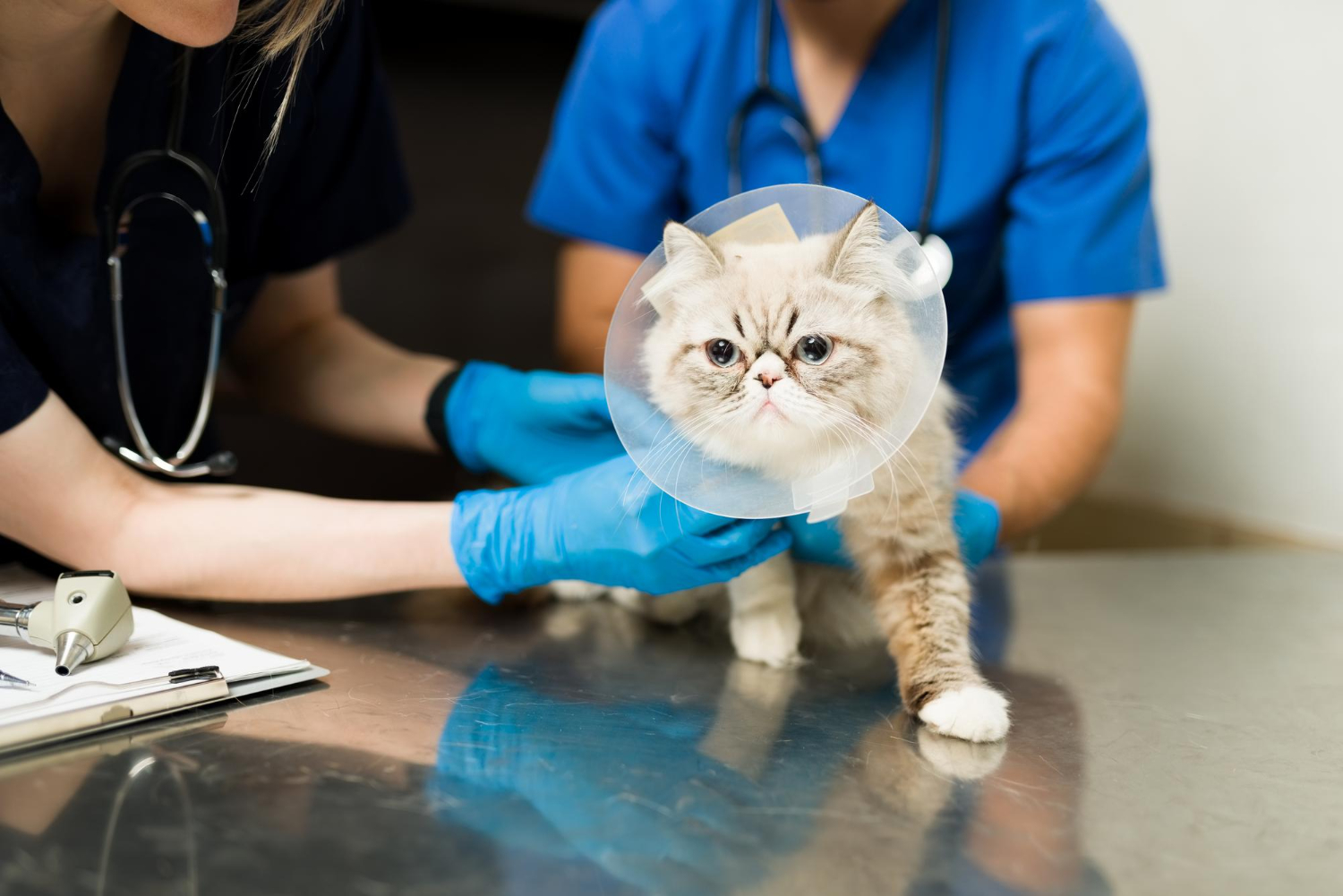
Once it’s your pet's turn, they’ll head back for a full exam. The vet will check breathing, heart rate, gum color, joints, abdominal palpation, and anything else that might point to the cause of the issue.
If something isn’t clear right away, testing might be needed to get answers. That can include:
- Blood tests to check for infection or hidden illness
- X-rays to look at bones or swallowed objects
- Trauma focused ultrasound looking for free fluid or large masses
Your pet is kept as calm as possible. The staff moves with care, knowing pets don’t always understand what’s happening and might be scared or hurting.
Depending on the symptoms, the veterinarian may conduct a more focused exam or order specific tests. X-rays are commonly used for possible broken bones, joint injuries, or when something might have been swallowed. Bloodwork helps rule out infection, dehydration, or underlying diseases. If your pet has something minor, testing might not even be necessary, but if a cause isn’t obvious, these tools help get answers faster. The veterinary team explains what tests are being done and why, so you know exactly what’s happening every step of the way.
What Treatment Might Look Like
Some pets need help right away. If they’re dehydrated, they might receive IV fluids. If they’re in pain or anxious, injections may be administered upon entry to help.
Other treatments could include:
- Medication to relax muscles, stop vomiting, or control an allergic reaction
- Cleaning and bandaging a wound
In some cases, the vet may ask to keep your pet for monitoring. This allows them to watch symptoms closely before sending you home. Before you leave, you will receive printed discharge instructions explaining what comes next—whether it’s follow-up visits, medications, special food, or specific home care.
Urgent treatment is all about stabilizing your pet and relieving symptoms so they can recover safely. Sometimes, simple care like irrigating a sore eye, trimming a torn nail, or giving fluids under the skin is enough to get your pet back on track. In other cases, more intensive therapy is required. If your pet needs to stay for a few hours or longer, the team provides regular updates and explains why observation matters for your pet’s safety. Every treatment plan is customized to your pet’s exact problem and health history, with the goal of getting them home and feeling better as soon as possible.
Aftercare and What to Watch For
Once you’re home, the attention doesn’t end. Pets healing from urgent visits often need us to watch them closely and help them rest.
- Make sure any medicine is given on time, and finish all doses even if your pet seems better
- Keep track of behavior; if vomiting returns or they stop eating again, you may need to return
- Try to create a quiet space where they can sleep and stay away from loud noises or other pets
It’s normal to feel a little unsure. Write down any questions, and don’t wait to speak up if something doesn’t seem right.
Home care is an essential part of the healing process. Sticking to your veterinarian’s instructions and following up if you notice something new or different can really make a difference. Be mindful of potential warning signs like new swelling, a loss of appetite that continues for more than a day, or increasing lethargy. Sometimes recovery takes a few days, while other conditions improve quickly. Being patient, keeping records, and checking in with your veterinary team if concerns arise helps prevent setbacks and gives your pet the best chance at a full recovery.
Helping Your Pet Feel Better, Sooner
When things feel uncertain, having access to urgent veterinary care brings comfort and help without delay. Not every issue can wait for a regular checkup.
By understanding what happens from the moment you walk through the door to the time you head home, you can step in quickly and confidently when your pets need you most. Knowing what to watch for and how each visit works is one of the best ways you can care for them, especially when they can’t say what’s wrong.
Being prepared, both emotionally and logistically, helps lessen the stress of unexpected health issues. Taking the time to learn about urgent and emergent visits ahead of needing it provides reassurance and can lead to faster comfort for your pet. Recognizing that you’re not alone and that professionals are available to help gives relief during uncertain moments, allowing you to focus on supporting your pet through their recovery.
Questions about your pet’s symptoms can be stressful, but you don’t have to handle them alone. Our fast, trusted care at EVE pet hospital (veterinary emergency and urgent care) helps your pet get the attention they need without delay. Whether you notice a limp, unusual behavior, or something just feels different, prompt action really matters. At EVE Pet Hospital, we’re always here for those unpredictable moments, so you can connect with us anytime you need answers or care for your pet.