
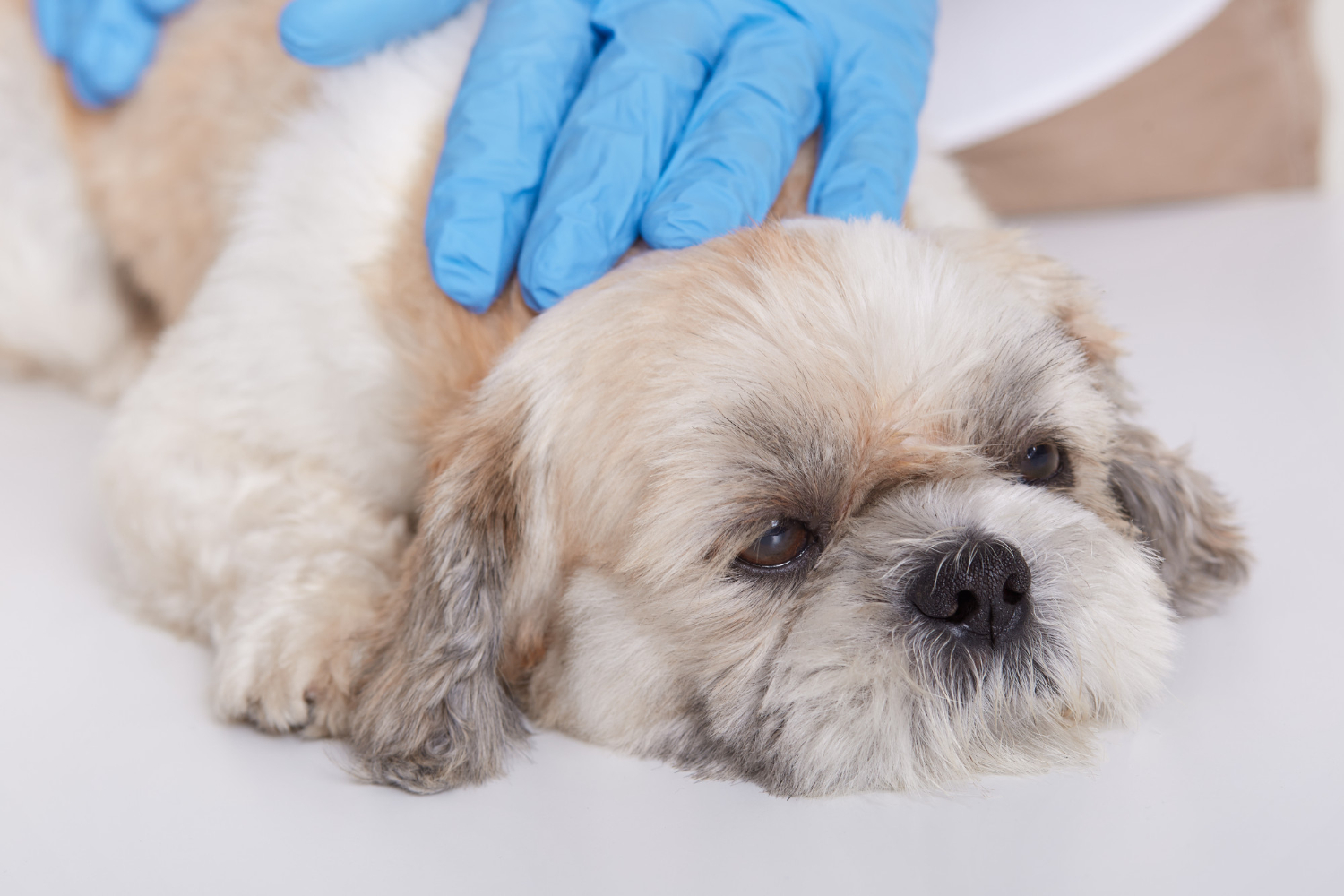
When “Fine” Is Not Fine: Catching Silent Dog Emergencies
Sometimes a dog just seems a little off. Maybe it is during a long summer weekend, your dog skips dinner, moves slower, or acts a bit weird, but nothing looks dramatic. It is easy to think, “We will see how your dog is in the morning.” The problem is that some of the most dangerous emergencies in dogs start quietly.
Silent emergencies are internal problems that do not always come with loud, dramatic signs. Early changes in the stomach and intestines, brain and nerves, urinary system, or heart and lungs can look mild at first. Because dogs often hide pain and illness, waiting too long can let a small concern turn into a life-threatening crisis.
At EVE Pet Hospital, we are a 24/7 emergency vet in Mesa, AZ, focused on fast, inclusive, high-quality care when you know something is wrong but you cannot quite explain it. We want to help you spot those “not quite right” moments, know what to write down at home, and understand when it is time to head straight to an emergency veterinarian.
Quiet Gut Trouble: Early Gastrointestinal Red Flags
Stomach and intestine problems are very common summer emergencies. Cookouts, holiday parties, and guests mean dropped food, raided trash, and well-meaning people sharing rich treats. Dogs may get into things like grapes, xylitol sweeteners, corn cobs, skewers, fatty meat trimmings, or spoiled food. Heat stress can also upset the gut.
Early GI signs can look minor, but they may signal serious trouble. Subtle clues include a normally food-obsessed dog skipping a meal or only picking at food, mild lethargy or seeming “gassy,” and restlessness or an inability to settle. You may also notice repeated stretching in a 'prayer position' (front legs out, rear up), pacing, or constant position changes, as well as drooling, lip licking, teeth grinding, a tight belly, or a hunched back.
These signs can go along with life-threatening problems like bloat, foreign bodies, or pancreatitis, even if vomiting or diarrhea is not dramatic yet.
Before you leave for emergency care, it helps to record a few key details so the team can triage and treat faster:
- The exact time you first noticed something was off
- What and when your dog last ate or drank
- Any possible access to trash, new treats, table scraps, or toxins
- Number of vomiting or diarrhea episodes, what they looked like, and if there was blood or black, tarry material
- Whether your dog is still passing stool or gas
- Any past GI issues or surgeries, known food sensitivities, and current medications or supplements
Go straight to an emergency dog vet if you see:
- Repeated or unproductive vomiting or retching
- A distended, tight, or painful belly
- Collapse, extreme weakness, or very pale gums
- Clear signs of pain when you touch the abdomen
Subtle Brain and Nerve Changes You Should Never Ignore
Neurologic problems do not always start with a big, dramatic seizure. Sometimes they begin as a dog that looks clumsy, zoned out, or just “not themselves,” and it can be easy to blame the heat, age, or “they must be tired.”
Subtle neurologic symptoms can include brief, odd behaviors like sudden staring, snapping at the air, or not responding to you for a few seconds. Some dogs seem unusually restless at night for no clear reason, develop a mild head tilt, or start walking in small circles. You might also see dragging toes, stumbling on stairs, or misjudging jumps onto furniture, as well as one-sided changes like one ear or lip drooping, a single dilated pupil, or twitching in one leg or part of the face.
Because these signs can come and go, they are easy to brush off. However, they may signal inner ear problems, brain disease, or spinal issues.
Helpful things to document before coming to emergency care include:
- Timing, duration, and how often the episodes happen
- Whether they occur during rest, after exercise, or with excitement or heat exposure
- Any recent head bumps, falls, or trauma
- New medications, access to human drugs, marijuana products, pesticides, or other toxins
- Recent vaccines or illnesses
If it is safe, a short video of the odd behavior or movement can be incredibly helpful for the emergency veterinarian.
Seek emergency care right away if:
- Your dog has multiple seizures within 24 hours or clusters of seizures
- There is a sudden inability to stand or walk
- Your dog loses consciousness or seems “out of it” for more than a few seconds
- Balance or coordination worsens quickly over minutes or hours
Hidden Urinary Dangers: When Pee Changes Mean an Emergency
Urinary problems can look minor at first, but they can turn serious fast. Male dogs, in particular, can develop life-threatening blockages where the bladder cannot empty, leading to toxin buildup and intense pain in a short time.
Early urinary warning signs may show up as bathroom-habit changes rather than obvious illness. You might see your dog squatting or posturing to pee more often but only passing a few drops, taking longer than usual to start urinating, or licking the genital area much more than normal. Some dogs whine, pace, or seem restless when trying to pee, have small accidents indoors despite being house-trained, or suddenly produce urine that looks darker, pink-tinged, or has a strong or unusual odor.
To help an emergency team assess urgency, try to keep track of:
- How many times your dog has attempted to urinate
- Time of the last clearly normal urination
- Rough idea of how much urine is coming out each time
- Any changes in water intake, such as drinking much more or much less
- Changes in appetite, vomiting, or low energy
- History of urinary tract infections, bladder or kidney stones, kidney disease, or special urinary diets
Seek immediate emergency care if your dog:
- Strains to urinate but produces little or no urine
- Cries out or seems in clear pain while trying to pee
- Is vomiting, very lethargic, or seems confused
- Has a firm, full, or distended abdomen
These can all signal a dangerous obstruction that needs fast treatment.
Quiet Cardiac Clues: Early Signs of Heart Trouble
Heart and lung problems do not always look like dramatic choking or collapse. Many start as “just tired,” “slowing down,” or “not handling the heat like they used to,” and it is easy to blame age, hot weather, or being out of shape.
Subtle cardiac and respiratory red flags can include a mild, repeated cough (especially at night or after light activity) or frequent “throat clearing” that never fully goes away. Some dogs start sleeping with the neck stretched out or prefer to sleep propped up, pace at night instead of settling like they cannot get comfortable, or breathe slightly faster or heavier at rest. You may also notice fainting or sudden short collapses that look like a quick wobble or stumble, or a new reluctance to walk or play, especially compared to previous summers.
Before visiting an emergency vet, try to record:
- Your dog’s resting respiratory rate: count how many breaths in 60 seconds while your dog is sleeping
- When the cough or breathing changes started
- Whether breathing is worse at night, after excitement, or in hot weather
- Any known heart disease or previous heart testing
- Heartworm status and current medications
- Recent travel or boarding history
Go to emergency care immediately if you see:
- Blue or gray gums or tongue
- Open-mouth breathing or gasping at rest
- Sudden collapse or severe weakness
- Rapid breathing that does not calm within a few minutes in a cool, quiet area
What to Do Right Now: Record, React, and Reach Out
When you see subtle changes in your dog, it can feel scary to decide what to do. A simple three-step plan can help: record, react, and reach out.
Record what you are seeing so you can describe it clearly and accurately when you call or arrive. This includes times and dates for any odd signs, changes in appetite, water intake, bathroom habits, breathing, and behavior, and any possible access to toxins, trash, unsafe foods, or heat. If it is safe to do so, take clear photos or short videos of anything abnormal.
React by making your dog as stable and safe as possible while you decide next steps. Move your dog to a cool, quiet space away from other pets and busy activity, remove food and any medications that your dog could reach, and do not give over-the-counter human drugs unless a veterinarian directs you. Keep your dog calm and limit activity while you decide what to do.
Reach out if you are unsure. It is always safer to speak with a 24/7 emergency veterinarian than to wait and hope, because delays are often what turn quiet problems into life-threatening crises. At EVE Pet Hospital in Mesa, AZ, we are open day and night, weekends and holidays, to provide emergency and critical care for dogs and cats with both subtle and severe signs.
Noticing small changes, writing down key details, and getting help early can save your pet’s life. When those “silent” symptoms start to worry you, we are here whenever you need us.
Get Immediate, Compassionate Care For Your Dog’s Emergency
When every second counts, we are ready to provide fast, focused treatment to stabilize your dog and address what is wrong. If your pet needs urgent surgery or critical care, our experienced emergency vet team at EVE Pet Hospital is equipped to act quickly and keep you informed at every step. Call us right away or contact us so we can prepare for your arrival and give your dog the best chance at a safe recovery.