
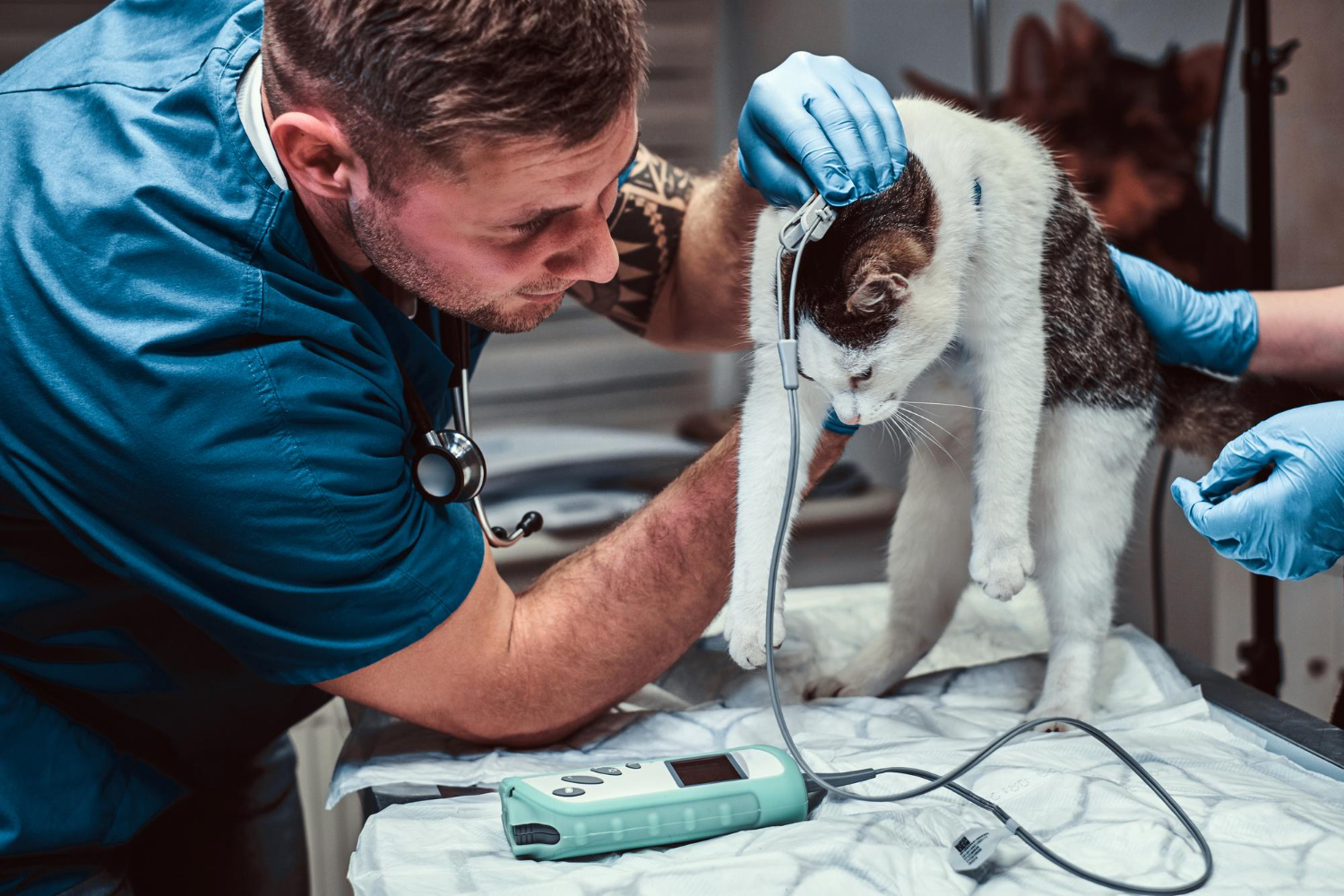
Cats are quiet by nature. They nap in sunny spots, sneak behind furniture, and rarely make a fuss when something is wrong. But while their laid back nature makes them great pets, it can also make it much harder to tell when they’re hurt or unwell. Cats are evolved not to show weakness to other predators. So many of us don’t know our cat is in pain until it’s gotten very serious and we find ourselves worrying late at night.
That’s one of the reasons why knowing where you can get help from an after hours vet like at EVE Pet Hospital really matters. During the spring in Mesa, Arizona, homes are buzzing with activity, more people outside, more open windows, and more things a curious cat can get into. Whether your cat is indoors, outside, or a little of both, hidden pain can sneak up fast. The sooner you notice something isn’t right, the better chance your cat has of feeling better without things getting worse overnight.
Why Cats Hide Pain So Well
Cats learned a long time ago that showing pain makes them vulnerable. In the wild, that could mean becoming a target. So even today, house cats still carry that instinct. They’re good at hiding their pain or illness. A cat with a sore back or paw might still leap off the counter. One with belly trouble might still curl up beside you and purr. Just because a cat seems relaxed doesn’t always mean it’s okay. Even purring can be a self comforting technique and does not always mean a cat is healthy.
That’s why small changes in behavior are so important to notice. You may not see a limp or hear a cry, but maybe your cat sleeps in a different spot or stops following you into the kitchen. Maybe your cat still wants treats but is not finishing their regular meal. These little shifts, while easy to miss, can tell us something’s off.
Subtle Signs That Shouldn’t Be Ignored
Pain doesn’t always show itself in dramatic ways. Instead, it slips into the background, through quiet changes that sometimes feel like mood swings or just odd habits.
- If your cat usually greets you but suddenly hides most of the day, it could be a sign.
- A cat that avoids being touched or snaps when picked up might be protecting a sore spot.
- Less grooming or looking scruffy could mean it hurts to move.
Even small shifts in litter box behavior are worth paying attention to. Peeing outside the box, straining, or holding it for longer than normal can point to discomfort or illness. The same goes for changes in how your cat moves. If jumping suddenly seems difficult or your cat avoids stairs, it might be hurting, even if it’s still walking without a limp.
Sometimes, these signs can be mistaken for moodiness. Maybe your cat no longer curls up on the bed or skips meals now and then. But if you find yourself noticing these changes more often or they seem to happen all together, don’t brush them off. Taking notes on new behaviors, even if they seem minor, can help you remember what’s different so you know when it’s time to talk to a vet. By tracking any unusual patterns or routines, you help paint a clearer picture to know if things become urgent.
When It Turns Urgent Outside Regular Hours
Some signs skip past subtle and move straight to urgent. If these things happen late at night, don’t wait to see if it gets better.
- Struggling to breathe or open-mouth panting like a dog
- Vomiting more than once or that keeps happening without a hairball
- Lethargy so bad you cannot get them to get up and walk
- Your cat acting confused all of a sudden
- Not using the litter box for a long time or going to the litterbox way more than normal
When a cat suddenly seems unlike themselves, it could be something serious. These are moments where going to an after hours vet could help catch the problem early. Pain, when left untreated overnight, can get worse by morning. It's not always clear how fast things are changing unless someone looks more closely.
Owners sometimes hope these problems will pass on their own, especially if a pet seems better for a short while. But with urgent issues, waiting can risk your cat’s safety. It’s better to trust your gut and get help right away, rather than hoping a serious sign fades while you sleep. Getting a veterinary professional’s opinion quickly, can give you peace of mind or help avoid bigger problems by morning.
Springtime Hazards That Can Worsen Hidden Pain
Spring feels like a fresh start, but it can bring new risks for curious pets. In Mesa, Arizona, things heat up quickly this time of year. That extra warmth can mask or intensify underlying problems in cats who already aren’t feeling well.
- Sweating through paw pads and faster dehydration from heat make it harder for sick cats to cope.
- Cats allowed outdoors may get injured, stung, or into toxins without you noticing, and will only show pain when it is really bad
- Lilly flowers for Easter and Mother’s day can cause renal failure in cats if chewed on.
- Other spring decorations can cause GI blockage and certain foods left out after celebrations can cause pancreatitis
Some of these issues can cause internal damage even before the cat shows signs of pain. And when cats are already quiet about pain, it gets even easier to overlook that something serious is taking place. If a cat seems even a little painful, you should get them checked by an emergency vet because it is probably worse than it looks. If you notice symptoms like sneezing, drooling, or limping, especially after time outside or near new foods, you probably should not wait until morning.
What to Expect During an Emergency Visit
If your cat is showing any signs of pain or illness, a trip to emergency care might be needed. Even if your cat looks a little better by the time you arrive, we don’t take that at face value because cats often hide their symptoms from strangers even more than their family.
Emergency visits can feel stressful for both cats and their people. Lights, new smells, and strange sounds can make cats anxious, so bringing a familiar blanket or towel may help comfort them during the wait. Sharing everything you've noticed with the vet, even changes that seemed unimportant at the time or that seem to have resolved now that you are at the hospital, will give a clearer sense of what might be wrong. Every detail matters when your pet can't tell us how they're feeling.
When you first arrive at EVE Pet Hospital, a technician will look at breathing effort, posture, and basic alertness. If your cat seems in any way unstable the technician might take your fur baby back to treatment immediately. Other times your cat may seem ok enough to wait with your through the check in process, but that doesn't necessarily mean you don’t need to be at the hospital. After getting all the information needed to open a medical record, a technician will ask about your cat’s medical history and what symptoms you are seeing that brought you in. It is important to tell us everything abnormal you noticed at home, even if your cat is no longer exhibiting that sign in hospital. The doctor will do a thorough physical exam, but even then cats try to hide their pain from us. So diagnostics like blood work or X-rays are often needed to figure out what’s going on beneath the surface. Our job is to find the cause of the pain your cat may be hiding and help manage it fast.
Knowing When to Trust Your Instincts
If you’re worried about your cat and something just doesn’t feel right, listen to that feeling. Pain in cats doesn’t always scream for attention. Often, it whispers through the things they stop doing or the behaviors they change. By learning to watch for even subtle signs, you can step in sooner and get help before a problem becomes an emergency. That extra awareness could be the difference between a problem having a good prognosis and a poor one. And if you’re ever unsure, especially outside normal hours, it’s always safer to ask than to wait. Call EVE Pet Hospital at 480-919-VETS (8387) anytime day or night. The EVE staff can discuss the symptoms you are seeing and if we recommend you bring your cat in right away or if you can wait until morning.
Noticing any unusual signs in your cat, especially late at night when regular clinics are closed, can be stressful. Trust your instincts, your concern matters. When the symptoms add up and you need answers, an after hours vet visit could make a real difference. At EVE Pet Hospital, we’re here to support you and your cat whenever peace of mind can’t wait. Call us at 480-919-VETS (8387) if you’re ever unsure or just come right on down to our location at the corner of Broadway and Gilbert Roads in Mesa, Arizona.